Leave a Message

Thank you for your message. We will be in touch with you shortly.

Investing In Speedway Real Estate: A Practical Overview

March 24, 2026

What if your next solid investment was just five miles from downtown Indy, inside a small town known worldwide for race day? If you are weighing buy-and-hold rentals or a BRRRR project, Speedway offers a compact market with steady renter demand and unique short-term upside during major events. In this guide, you will learn where returns come from, what to watch, and a practical way to run the numbers. Let’s dive in.

Why Speedway attracts investors

Speedway is an incorporated town inside Marion County with about 14,200 to 14,300 residents as of 2024, according to the U.S. Census Bureau. The owner-occupied housing rate is roughly 45 percent, which signals a healthy mix of renters and owners that can support investment activity. You also benefit from proximity to downtown Indianapolis for commuters and regional employment.

The Indianapolis Motor Speedway is inside town limits and drives visitor traffic during race weeks. That creates temporary surges in demand for furnished or short-term rentals, which can lift revenue during event seasons. For long-term tenants, the location and overall metro job base support consistent demand outside those peak weeks.

  • Source: See population, tenure, and value metrics in the Census QuickFacts for Speedway.
  • Event context: Learn more about the Indianapolis Motor Speedway’s impact on the town’s identity and visitor draw.

Property types and targets

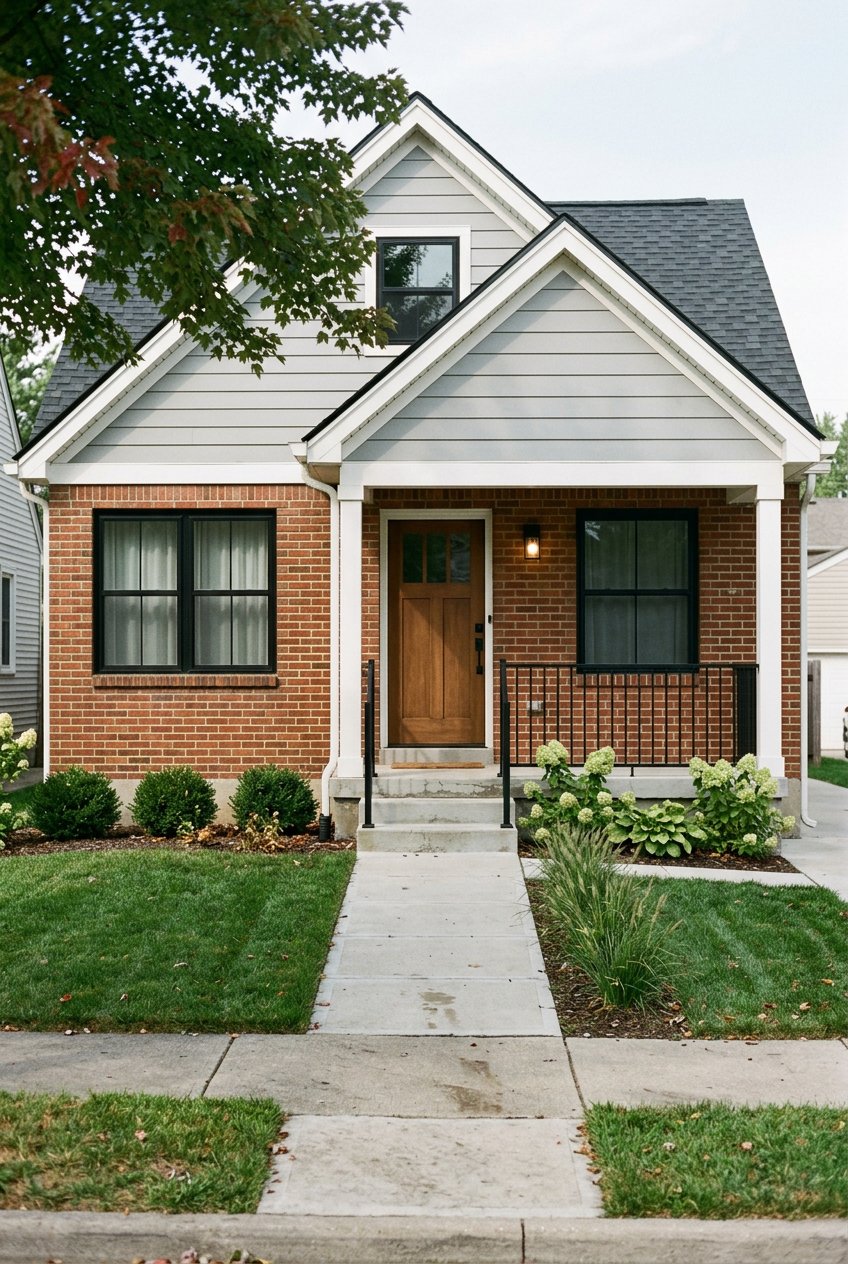
Speedway’s housing stock skews older, with many early- to mid-20th century bungalows and post-war ranches. That means light-to-moderate rehabs are common, including mechanical updates, kitchens, baths, roofs, and exteriors. The town’s comprehensive plan notes the older, value-range housing fabric and documents conditions that support value-add projects.

Rehab buyers often look for 2 to 3 bedroom single-family homes, the occasional duplex or small multifamily, and properties that need upgrades where you can create value. Because many sellers price to owner-occupiers, your investor offer should be backed by strong comps and a clear, quick path to closing.

  • Planning context: Review Speedway’s comprehensive plan for stock age and neighborhood patterns.

Prices and rents today

Speedway is a small market, so different data vendors can show different snapshots. Census estimates place the median value of owner-occupied units near 228,600 dollars and the median gross rent near 1,141 dollars. Third-party rental trackers have recently shown median advertised rents roughly in the 1,100 to 1,200 dollar range. Always confirm with current MLS comps and a unit-level rent check before you write an offer.

  • Census baseline: See median home value, tenure, and rent figures for Speedway in QuickFacts.
  • Rental comps: Check recent Speedway rent research for current asking ranges.

Demand drivers and seasonality

Two forces shape demand:

  • Long-term renters: Commuter access to downtown Indianapolis and regional employment centers supports consistent interest from renters who want a close-in location at attainable rents.
  • Event-driven visitors: Race weeks bring short bursts of tourism. Operators who register and comply with local rules can see premium nightly rates during the Indy 500 and other events.

Plan for both. If you underwrite primarily as a long-term rental, any event-driven short-term revenue becomes upside rather than a requirement to make the numbers work.

  • Event context: Read more about the Indianapolis Motor Speedway and its major events.

Deal analysis steps

Use a simple, disciplined framework so you can compare options quickly.

  • Gross scheduled rent (annual) = monthly market rent × 12.
  • Vacancy reserve = 5 to 10 percent of gross rent for long-term rentals. Higher for short-term.
  • Operating expenses = taxes, insurance, utilities you cover, repairs, management, and reserves. A quick screen for small single-family rentals is 30 to 50 percent of gross rent.
  • Net Operating Income (NOI) = gross rent − vacancy − operating expenses.
  • Cap rate (unlevered) = NOI ÷ purchase price.
  • Cash-on-cash return (levered) = annual pre-tax cash flow ÷ total cash invested.

A quick example

Assume a purchase around 265,000 dollars and market rent near 1,125 dollars per month. That gives 13,500 dollars in annual gross rent. If you model a 40 percent total expense ratio, NOI is about 8,100 dollars. The unlevered cap rate would be roughly 3.1 percent. In practice, investors often improve returns by buying below market, adding value through rehab to raise rent and appraised value, using financing strategically, or blending in compliant short-term stays during event weeks. Each path adds risk and should be modeled conservatively.

Local rules and taxes

Before you write an offer, map the path to compliance. Speedway issues building and trade permits through its Development Services and Building Commissioner. Anything beyond light cosmetic work may require permits and inspections. Build permitting time into your schedule and budget.

Short-term rentals require local registration and compliance. Speedway initiated an ordinance process in 2022 to regulate STRs, including a registration step and fee. REALTOR association coverage summarized the framework with a registration fee reported around 150 dollars. Rules evolve, so always confirm the current ordinance text, application steps, and enforcement practices before you underwrite STR income.

Marion County’s effective property tax burden is higher than many Indiana counties. County-level trackers show an effective rate near 0.9 percent, which can materially affect operating expenses and refinance math. Pull the parcel’s current tax history and model a range for future bills.

  • Permits: Start with the Town of Speedway site for Development Services and permitting contacts.
  • STR rules: See the town’s short-term rental ordinance update and MIBOR’s summary of registration details.
  • Taxes: Review county-level effective property tax data for context.

Rehab and BRRRR tips

The BRRRR sequence can work well with Speedway’s older stock if you plan it carefully.

  1. Buy below market. Focus on properties where updates will measurably increase rent and value.
  2. Rehab with permits. Older homes often need HVAC, electrical, plumbing, roof, insulation, and exterior attention. Get multiple bids and add a 10 to 20 percent contingency.
  3. Rent and stabilize. Secure strong tenants with documented leases at market rates.
  4. Refinance. Use the improved appraisal to pull equity, while ensuring the cash flow still works post-refi.

Scope creep is common in older houses. Confirm any code-related upgrades early with the Building Commissioner so you are not surprised mid-project.

  • Planning context: The Speedway comprehensive plan highlights the age and character of local housing.

Due diligence checklist

Work this list for every Speedway deal:

  • Pull 3 to 6 months of MLS sold comps matched by beds, baths, and lot size.
  • Order a title search and survey. Check for easements and any tax or municipal liens.
  • Review the parcel’s tax history and use a conservative expense assumption for future bills. For county context, see effective rates by county.
  • Call the Town of Speedway to confirm required permits, inspection timelines, and current fee schedules.
  • If you are considering STR, request the current ordinance text and verify registration, fee, occupancy, parking, and tax filing rules.
  • Get itemized contractor bids for mechanicals, roof, exterior, kitchens, and baths, plus contingency.
  • Confirm insurance availability and costs for long-term or STR use.
  • Model expenses at 35 to 50 percent of gross rent unless you have property-specific data.

Key risks to weigh

  • Event seasonality. STR revenue can be strong during race weeks, but it is not year-round. Underwrite long-term rent first and treat STR income as bonus.
  • Small market volatility. With a compact footprint, a few sales can swing monthly stats. Rely on block-level comps and current rent checks.
  • Taxes and carrying costs. Marion County’s effective tax rate near 0.9 percent adds weight to your expense line. Use conservative assumptions when modeling multi-year holds.

How our team helps

Speedway investing is both practical and personal. You want real numbers, the right property, and a steady plan from offer to leasing or exit. Our boutique team pairs neighborhood intelligence with design-and-renovation know-how, so you can spot value-add plays, budget accurately, and bring a property to market with confidence. We offer buyer representation, investor and rehab consulting, and leasing support across Central Indiana.

If you want a second set of eyes on a deal, or you are ready to start your search in Speedway, connect with Sarah Fishburn. We will walk you through comps, permitting path, rent targets, and a clear plan to hit your goals.

FAQs

What should a first-time Speedway investor analyze before offering?

  • Verify recent sold comps, confirm market rent with current listings, model expenses at 35 to 50 percent of gross rent, and call the town to confirm permit requirements and timelines.

How do Speedway short-term rental rules affect returns?

  • STRs require town registration and compliance, with a reported registration fee framework and local enforcement; underwrite primarily as a long-term rental and treat STR revenue during event weeks as upside.

What are typical rents for a 2 to 3 bedroom in Speedway?

  • Recent rental trackers show many listings in the 1,100 to 1,200 dollar range, but confirm unit-level demand, finishes, parking, and location before setting a final asking rent.

What cap rate is realistic for a Speedway single-family rental?

  • Using illustrative market inputs, unlevered caps can pencil in the low single digits; stronger returns usually come from buying below market, value-add rehab, or careful use of financing.

Which rehab items most often impact budget in Speedway’s older homes?

  • Mechanical systems, roofing, electrical, plumbing, insulation, and exterior repairs are common; get multiple bids and add a contingency for hidden conditions.

How should I plan for Marion County property taxes on an investment?

  • Start with the parcel’s tax history, then model a range using county-level effective rates near 0.9 percent to see how different scenarios affect cash flow.

U.S. Census Bureau QuickFacts: Speedway

Speedway Comprehensive Plan

Indianapolis Motor Speedway overview

Zumper rent research for Speedway

Town of Speedway: Permits and Development Services

Speedway short-term rental ordinance update

MIBOR summary of STR registration details

Tax Foundation county property tax data

Your Partners in Every Move

Whether you're buying, selling, or investing, we're here to guide you with expert advice, local knowledge, and a personal touch—every step of the way.