Living in Westfield Indiana: Growth, Amenities & Homes
July 9, 2026
July 9, 2026
Thinking about living in Westfield, Indiana? If you want a fast-growing community with trails, parks, newer housing, and an active local events scene, Westfield deserves a close look. Whether you are planning a move now or just comparing Central Indiana suburbs, this guide will help you understand what daily life, amenities, and housing options look like here. Let’s dive in.
Westfield sits in Hamilton County, just north of Indianapolis, and its growth has been hard to miss. The city’s population rose from 46,410 in 2020 to 66,258 in 2025, with a 2024 estimate of 62,994. That kind of growth usually signals strong demand, new development, and a community that is changing quickly.
Westfield has deep roots, too. It was founded in 1834, incorporated as a town in 1848, and became a city in 2008. Today, it blends that longer history with a more modern suburban feel shaped by new housing, public spaces, and destination amenities.
For many residents, Westfield works as both a home base and a commuter community. Census data shows a mean commute to work of 25.1 minutes, and city planning materials note that many working residents commute outside Westfield. If you work elsewhere in Central Indiana, that helps explain why Westfield often appeals to people who want residential space without feeling disconnected.
The city also has a higher-income profile compared with many surrounding areas. Census figures show a median household income of $122,789, an owner-occupancy rate of 79.5%, and a median gross rent of $1,667. In practical terms, that points to a market where homeownership plays a major role and housing costs tend to run above average.
One of Westfield’s biggest strengths is how much the city has invested in outdoor access. According to city planning materials, Westfield has 85.63 miles of trails within city limits, and most places are within a half mile of a trail or multiuse pathway. That can make a real difference in your routine, whether you like walking, biking, or simply having more ways to get around.
The Monon Trail is one of the best-known connections in the area. It runs north to south and links Westfield with Carmel and Indianapolis. The Midland Trace Trail adds an east-west route toward Noblesville, giving residents another useful corridor for recreation and local travel.
The parks system also adds to Westfield’s everyday appeal. The parks department manages 14 parks and properties, while recreational uses account for 1,640 acres, or 5.1 percent of total acres in the city. That kind of footprint supports the idea that outdoor spaces are not just a nice extra here. They are part of how the community is planned.
Two of the most visible public gathering spaces are Grand Junction Plaza and Freedom Trail Park. Grand Junction Plaza is described as Westfield’s signature downtown park, with green space, trails, a stage, and year-round events. It helps give downtown a more active, social rhythm.
Freedom Trail Park offers a different kind of draw. It is a 29-acre inclusive park with Indiana’s first all-abilities playground and a sensory garden. For many households, features like these matter because they expand the range of public spaces available for different ages and needs.
Westfield’s parks are not only places to pass through. They also host recurring events that help create a stronger sense of activity. The Westfield Farmers Market and the Jams at the Junction concert series are two examples that regularly bring people into shared public spaces.
If you are comparing communities, this matters. Some suburbs have homes and retail, but fewer public gathering spots that create a clear local rhythm. Westfield’s event programming adds another layer to daily life beyond housing and commute convenience.
Grand Park is one of the clearest reasons Westfield stands out in Central Indiana. Official sources describe it as a 400-plus-acre campus with a 377,000-square-foot Events Center and 26 diamonds. Visit Indy says it welcomes nearly 1.5 million visitors each year.
That scale gives Westfield a more event-driven identity than many similarly sized suburbs. Grand Park is also home to Colts Training Camp, which raises the city’s profile and brings seasonal attention from across the region. If you enjoy living near major sports and event activity, Westfield offers something distinctive.
At the same time, Grand Park can shape traffic patterns and the overall feel of busier weekends. For some buyers, that added energy is a plus. For others, it is simply something to factor into where they want to live within the city.
Westfield is not only about trails and sports facilities. Its downtown has been moving toward a more walkable, mixed-use format, with more dining, events, and housing concentrated in one area. That shift gives buyers and renters another lifestyle option beyond traditional single-family neighborhoods.
One example is the downtown DORA, approved in 2024 and implemented in January 2025. Within marked downtown boundaries, adults 21 and older can carry approved drinks. While that is a specific policy detail, the bigger takeaway is that downtown is being shaped to support a more event-oriented and social atmosphere.
Another sign of growth is The Union, announced in 2025 as the first mixed-use development in downtown Westfield. The project includes 196 apartments along with retail and restaurant tenants near Grand Junction Plaza. That points to a downtown core that is gradually becoming more residential and more active throughout the day.
Westfield’s dining options are broader than some people expect. Local listings include bakeries, breakfast spots, barbecue, Italian, sushi, coffee shops, ice cream destinations, and cocktail-forward restaurants. Names highlighted by Discover Westfield include Nyla’s Westfield, Chiba, Italian House, Grindstone on the Monon, Titus Bakery, and Big Hoffa’s.
For you as a buyer or renter, variety matters because it affects everyday convenience and lifestyle. A city with a wider dining mix often feels more established and flexible, especially when those options are spread across downtown, trail-adjacent areas, and commercial corridors.
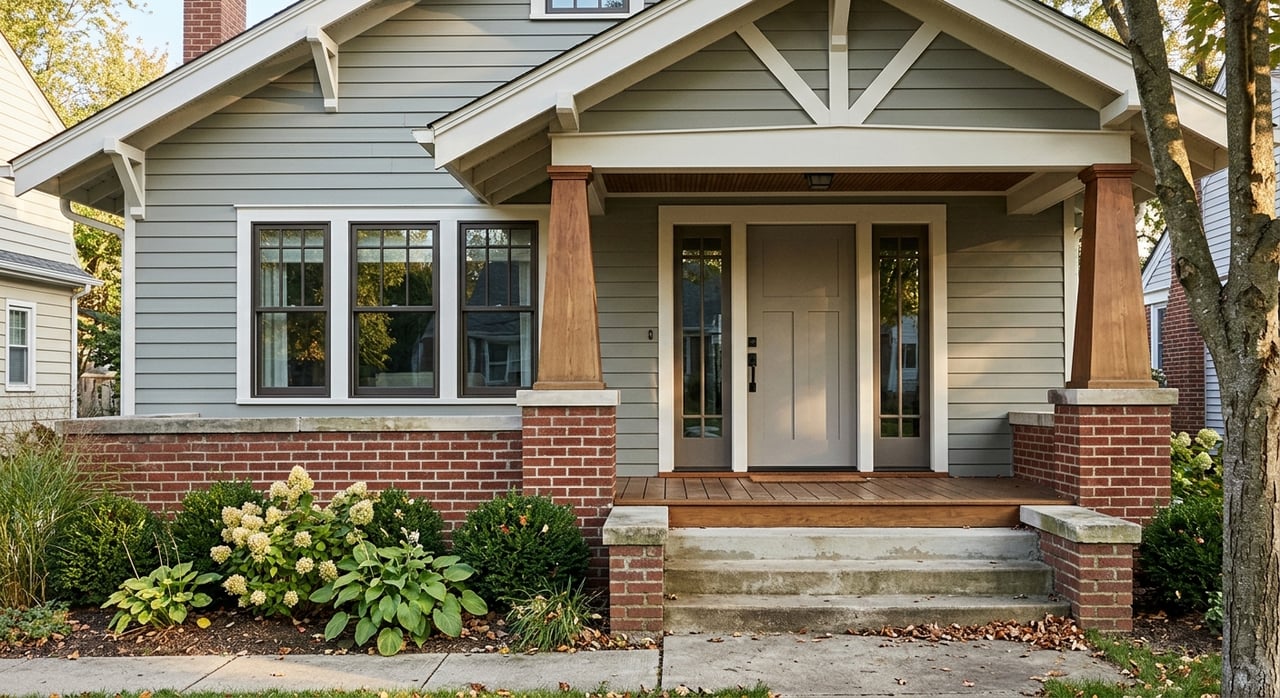
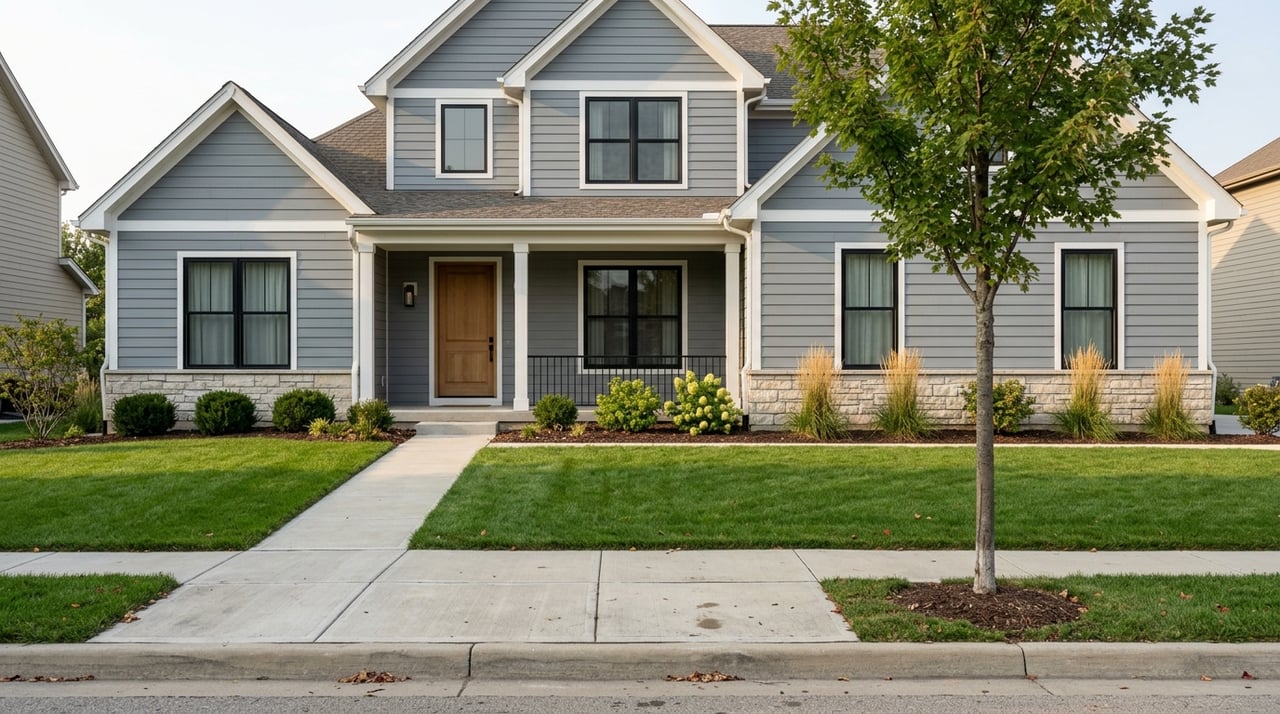
Westfield’s housing market still leans heavily toward single-family ownership. City planning materials for Westfield-Washington Township show about 19,970 housing units in 2022, with nearly 80 percent classified as single-unit detached and owner-occupied. More than 65 percent were built after 2000, and nearly 79 percent have three or more bedrooms.
That tells you a lot about the local housing pattern. Westfield is still primarily a place where buyers will find newer or newer-feeling suburban homes with more interior space. If that is your priority, the city offers a strong match.
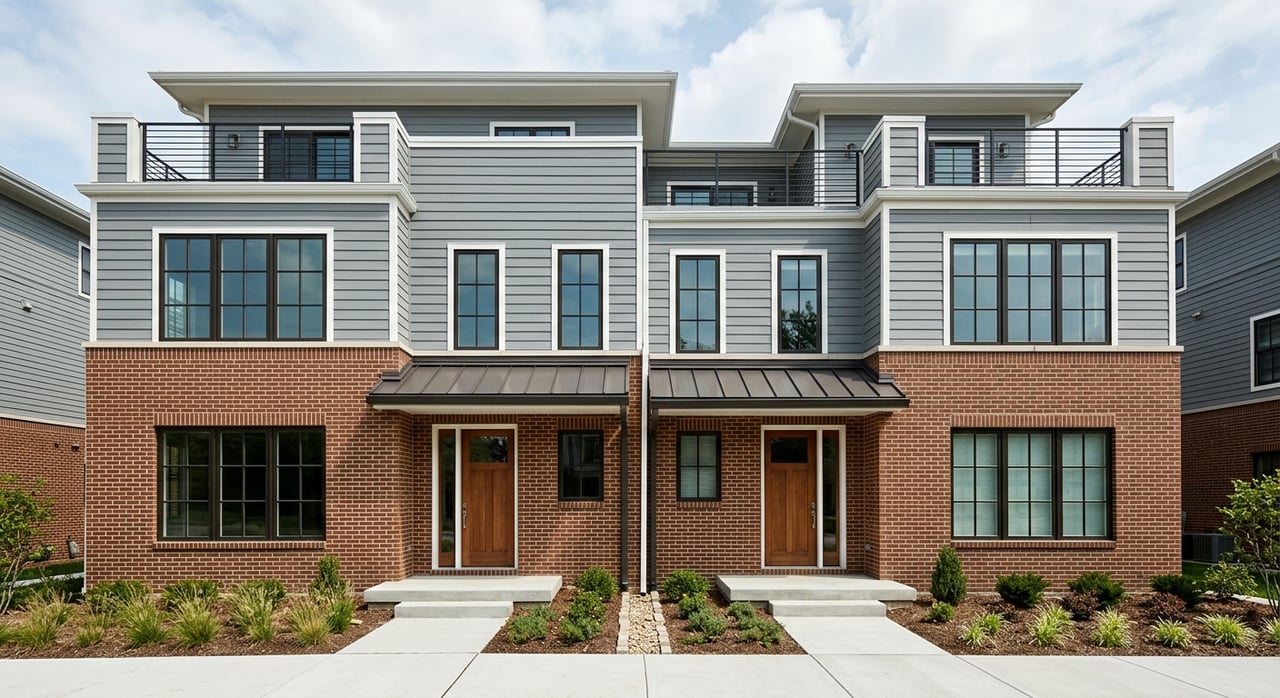
At the same time, housing diversity is gradually improving. The city’s planning documents point to a need for more varied housing types, and newer mixed-use or higher-density options are beginning to show up, especially near downtown and trail corridors. If you want something other than a detached home, your choices are still more limited, but they are growing.
Housing costs are an important part of the picture. Census QuickFacts shows a median owner-occupied home value of $425,700 in Westfield. The city’s planning materials show a similar township-wide median home value around $450,000 in 2024, reinforcing the idea of a relatively higher-priced market.
Those same planning materials also note low vacancy, limited housing diversity, and that more than 60 percent of households are cost-burdened. For buyers, that means Westfield may offer strong amenities and newer housing stock, but budget planning matters. For sellers, it suggests demand can remain meaningful in a market with constrained options.
Westfield can be a strong fit if you want a suburban setting with newer homes, larger floor plans, and easy access to parks and trails. It may also work well if your job is elsewhere in Central Indiana and you want a practical base with a manageable average commute.
It can also appeal to people who want a community that feels active and still evolving. Between Grand Park, downtown events, mixed-use growth, and trail connectivity, Westfield offers more than a traditional drive-only suburban experience.
Transportation patterns matter when you choose where to live, and Westfield’s road and trail network plays a big role in daily life. City planning materials say U.S. 31 roughly bisects the city, while State Road 32 is another key corridor. Those routes support access within Westfield and to the wider region.
The trail system adds another layer of mobility. While many residents still commute by car, connections like the Monon Trail provide a non-driving link toward Indianapolis. If you value having both road access and recreational connectivity, Westfield offers a useful mix.
Westfield offers a mix of fast growth, strong outdoor amenities, a major sports destination, and a housing market centered on detached homes. It also has a downtown that is becoming more active through events, dining, and mixed-use development. If you want a Central Indiana community that combines suburban space with an increasingly connected lifestyle, Westfield is worth a serious look.
If you are weighing whether Westfield fits your budget, commute, or housing goals, local guidance can make the search much clearer. For personalized help buying, selling, renting, or exploring your options in Central Indiana, connect with Sarah Fishburn.
Stay up to date on the latest real estate trends.
Whether you're buying, selling, or investing, we're here to guide you with expert advice, local knowledge, and a personal touch—every step of the way.