A Smart Guide to Downsizing in Carmel Indiana
June 25, 2026
June 25, 2026
Wondering what comes after the big family home? If you live in Carmel, downsizing can feel both exciting and complicated. You may be ready for less maintenance, a simpler layout, or a more walkable lifestyle, but you also need a clear plan for selling well and buying smart in a high-value market. This guide will help you think through timing, pricing, housing options, and practical next steps in Carmel. Let’s dive in.
Downsizing is not just a personal milestone in Carmel. It is also part of a bigger local housing story. The City of Carmel’s Housing Task Force found that 15.7% of residents are 65 or older, and 39.3% of households include someone age 60 or above.
At the same time, Carmel’s housing stock still leans heavily toward larger homes. The task force reported that 75.6% of housing units are detached single-family homes, 50.2% have four or more bedrooms, and 72% are two stories or more. That means many homeowners who want a smaller, easier-to-manage home may find that the right fit takes planning.
For many sellers, the goal is not simply to spend less. It is to live differently. You may want fewer stairs, less yard work, or easier access to shopping, dining, and daily errands.
Carmel remains a high-value market, which can work in your favor when you sell. The city’s 2025 Census estimate lists 103,606 residents, a 74.3% owner-occupied housing rate, and a median owner-occupied home value of $486,800. Median household income was reported at $141,505.
Recent market snapshots also point to steady demand. Redfin’s May 2026 sold-data snapshot showed a median sale price of $607,636 and a median of 11 days on market. Realtor.com’s May 2026 data showed 458 active listings, a $630,000 median listing price, a $609,000 median sold price, 31 median days on market, and a 100% sale-to-list ratio.
The takeaway is simple. Carmel homes can attract strong prices, but presentation, pricing, and marketing still matter. A well-prepared home is more likely to stand out, especially if buyers are comparing several options in the same price range.
One of the biggest surprises for downsizers is that moving to a smaller home does not always bring a dramatically lower purchase price. Carmel’s 2026 housing outlook estimated a sustainable monthly housing cost of about $3,500 for a median-income household. The city translated that to roughly a $450,000 to $550,000 purchase price at interest rates between 6.5% and 7% with 20% down.
That same outlook showed that 46.2% of inventory was priced above $600,000. Another 46.7% fell between $300,000 and $600,000, while only 7.1% was under $300,000. In other words, a lower-maintenance home may still come with a meaningful price tag.
This is why your move plan should look at more than square footage alone. Monthly payment, taxes, association costs, layout, and long-term ease of living all deserve a close look.
Carmel’s housing conversations have increasingly focused on the kinds of homes many downsizers are already seeking. The city’s Housing Task Force identified demand for smaller one- and two-bedroom homes, homes with a primary bedroom on the main level, and multifamily options that can work well for retirees and empty nesters.
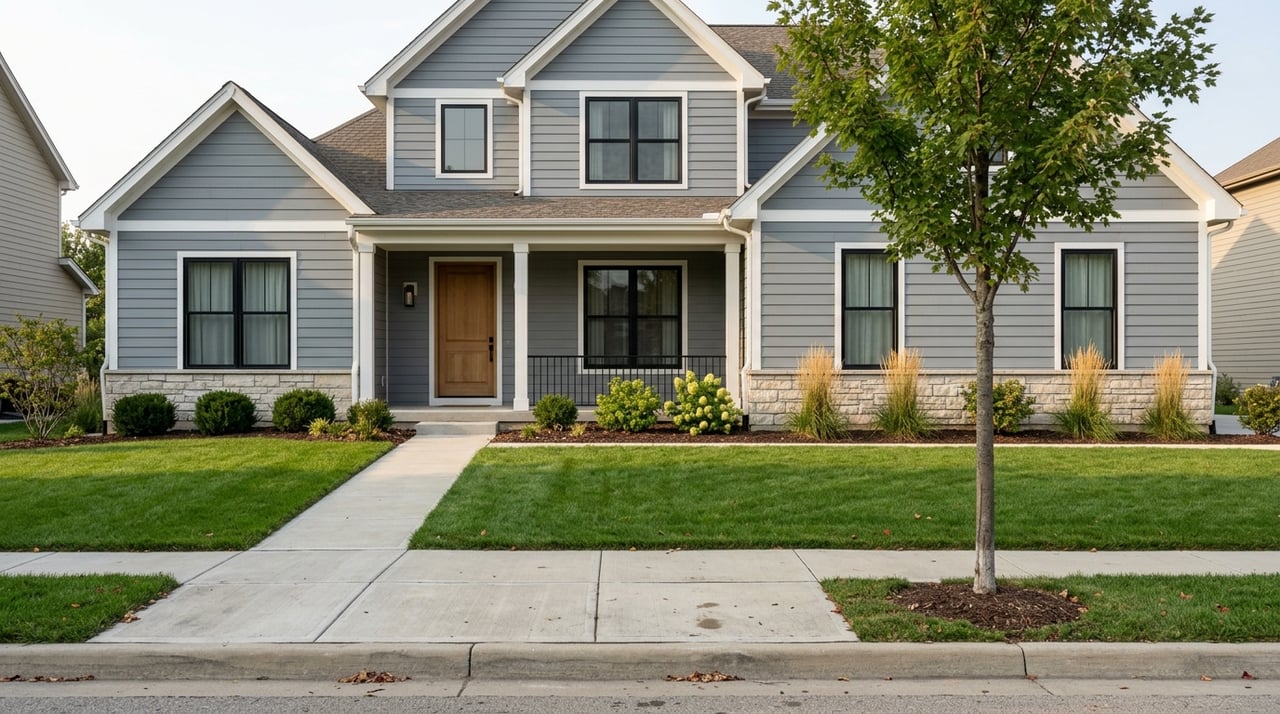
The task force also described “missing middle” housing as house-scale options such as duplexes, fourplexes, courtyard buildings, and cottage courts. For you, that expands the conversation beyond the classic large suburban home. It opens the door to condos, townhomes, ranch-style homes, and other layouts built around convenience.
If your priority is comfort and simplicity, it helps to define what “downsizing” really means to you. You may want:
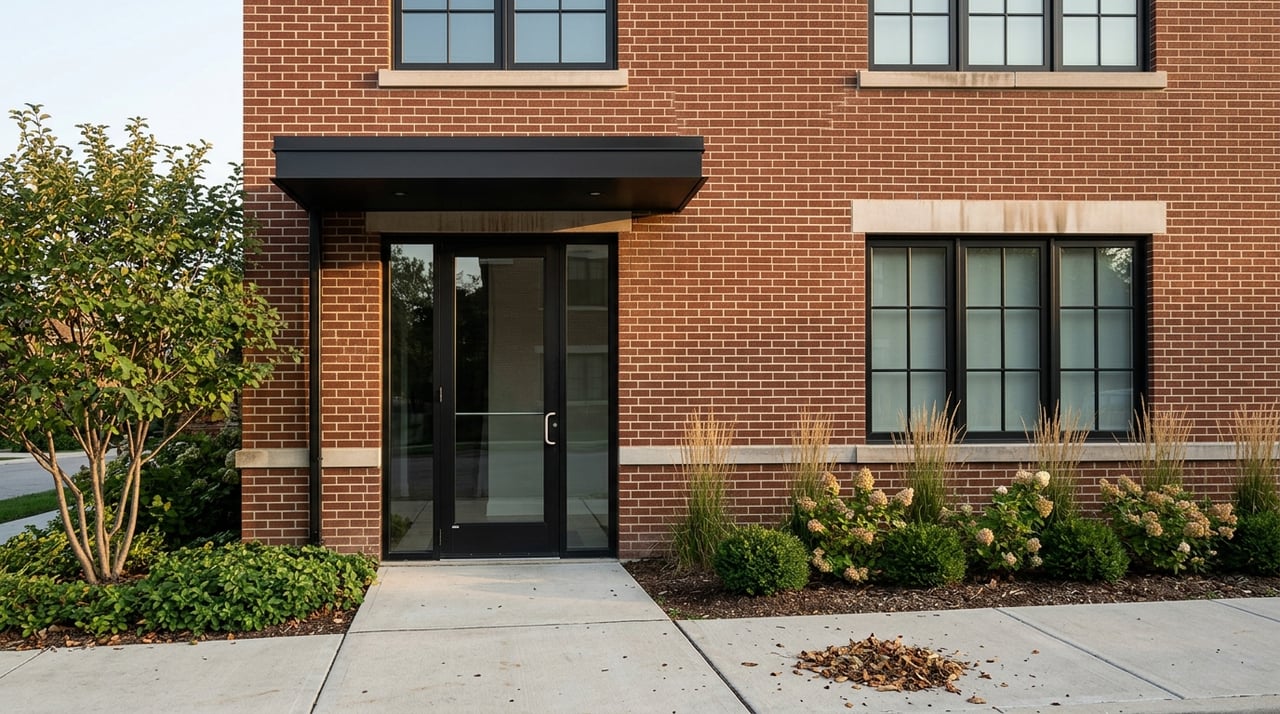
Carmel offers a mix of suburban and more compact living environments. The city describes City Center and Midtown as walkable, urban-style districts, which can appeal to homeowners who want to trade yard size for convenience and access.
Realtor.com neighborhood data highlights several active submarkets, including City Center, the Arts and Design District, The Village of West Clay, Springmill, and Old Meridian. Median listing prices on that page ranged from about $432,500 in Old Meridian to about $757,450 in the Arts and Design District.
That range matters because it shows how much your options can vary depending on location and housing type. A smart search should balance budget, floor plan, maintenance level, and the kind of daily lifestyle you want.
Carmel’s development pipeline also suggests more downsizer-friendly inventory is on the way. North End is planned to add 40 owner-occupied condos, 46 owner-occupied townhomes, and 10 single-family homes.
Gramercy and Marketplace will add 239 for-sale residences and 104 age-restricted units in a mixed-use setting. These projects matter because they point to more choices for buyers who want a lower-maintenance home, a more compact layout, or a mixed-use location.
Even with new options coming, inventory can still feel tight. Carmel’s housing policy work continues to focus on zoning, permitting, missing-middle housing, and accessory dwelling units, which reflects the city’s broader effort to improve housing variety.
If you have lived in your home for many years, getting it ready to sell can feel overwhelming at first. The good news is that the basics still make a real difference. According to the 2025 Profile of Home Staging, 83% of buyers’ agents said staging made it easier for buyers to visualize a property.
The same report found that 49% of sellers’ agents said staging reduced time on market, and 29% reported that staging increased the dollar value offered by 1% to 10%. The most common recommendations were decluttering, cleaning the entire home, and improving curb appeal.
In Carmel, where many homes are larger and often have multiple levels, room-by-room simplification can be especially helpful. Buyers need to see the function and flow of the home, not just the amount of space.
The same staging report found that the most commonly staged rooms were the living room, primary bedroom, dining room, and kitchen. These rooms often carry the most weight in photos and showings.
That does not mean you need a full redesign. It means you should aim for clean, open, and easy-to-understand spaces. If a room has become a catch-all over the years, now is the time to give it a clearer purpose.
Before your home hits the market, focus on the updates that help buyers connect quickly:
For many sellers, this stage is where hands-on guidance matters most. A practical plan can make the process feel manageable and keep you from doing work that does not truly move the needle.
Downsizing is often a two-part move, which makes timing especially important. You are not just selling a home. You are also trying to line up your next home, your finances, and your move itself.
In Carmel, this can be tricky because low inventory and limited housing variety can make it harder to move within the city. Selling may happen quickly, but finding the right replacement home can still take time.
A good plan usually includes:
Property taxes are one area where move timing deserves extra attention. In Indiana, property taxes are paid in arrears and are typically due in two installments on May 10 and November 10.
Indiana’s homestead deduction applies only to a principal residence. It can reduce assessed value by the lesser of 60% or $45,000, and a supplemental deduction may also apply.
Hamilton County adds an important detail for movers. If you move from one Indiana principal residence after the assessment date to a new principal residence later that year, the homestead deduction on the first property remains in place for that tax cycle, and you can apply for a homestead deduction on the new property for the same cycle. However, only one homestead can be claimed for different properties in the same year.
This is one more reason your closing date, possession date, and tax planning should work together. It is much easier to make confident decisions when you understand how the calendar affects the move.
The best downsizing moves usually start with clarity, not urgency. Instead of asking only, “How small can we go?” it helps to ask, “What kind of daily life do we want next?”
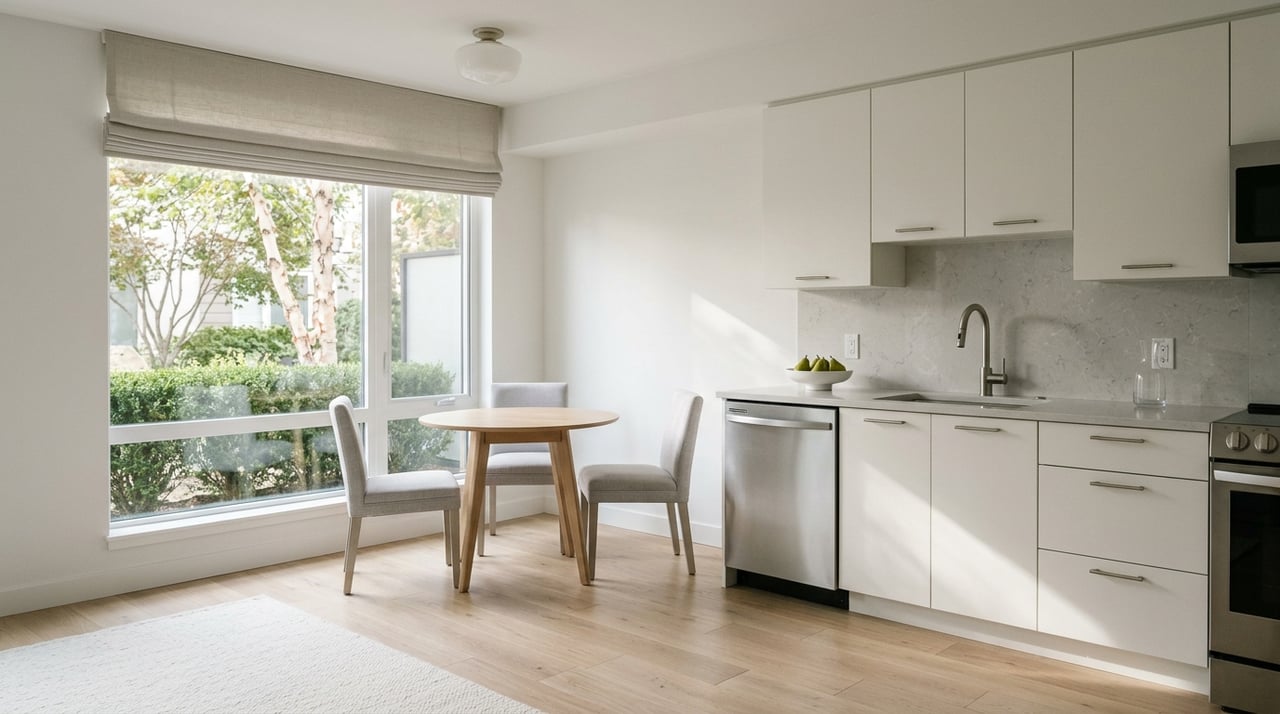
For some homeowners, that means a condo near Carmel’s walkable core. For others, it means a townhome, ranch, or main-level living setup that reduces stairs and upkeep while keeping enough room for guests, hobbies, or storage.
A thoughtful downsizing plan should support both your financial goals and your lifestyle goals. When you approach the move with good data, smart prep, and a clear picture of what comes next, the transition can feel far less stressful.
If you are thinking about downsizing in Carmel, the right guidance can help you make sense of pricing, prep, timing, and your next-home options. When you are ready for a hands-on, heart-forward plan, connect with Sarah Fishburn to start your next chapter.
Stay up to date on the latest real estate trends.
Whether you're buying, selling, or investing, we're here to guide you with expert advice, local knowledge, and a personal touch—every step of the way.